
 home
home
 Published: Jul 28, 2026 03:52 PM
 Page View: 166
In today’s highly competitive manufacturing environment, production efficiency, operational transparency, and rapid decision-making have become critical factors for industrial success. Manufacturers across semiconductor, electronics, automotive, energy, and precision engineering industries are increasingly adopting digital transformation solutions to improve productivity and maintain stable operations.
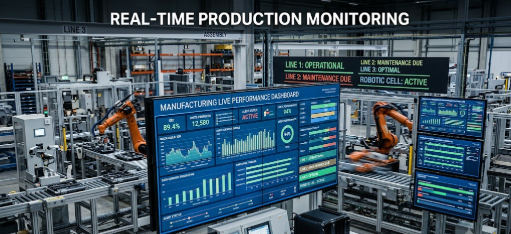
Easy Semiconductor Technology (Hong Kong) Limited recently introduced a Real-Time Production Monitoring Project for Manufacturers, designed to help industrial facilities achieve comprehensive production visibility, optimize manufacturing processes, and enhance overall equipment performance through advanced monitoring technologies.
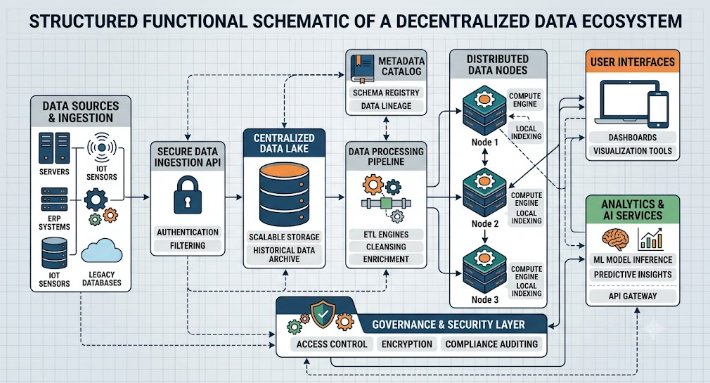
The project focuses on integrating industrial automation systems, real-time data acquisition platforms, factory communication networks, and intelligent monitoring software to provide manufacturers with accurate and instant production insights. By enabling continuous tracking of production conditions, machine performance, and operational indicators, the solution supports smarter decision-making and more efficient factory management.
Many traditional manufacturing facilities still rely on manual inspections, disconnected control systems, and delayed reporting methods. These limitations can lead to several operational challenges, including:
Lack of real-time production visibility
Delayed response to equipment abnormalities
Difficulty identifying production bottlenecks
Increased machine downtime and maintenance costs
Inefficient resource allocation
Limited historical production data analysis
Without accurate and timely production information, factory managers often struggle to understand actual manufacturing conditions. Decisions may depend on manual reports collected at different intervals, making it difficult to respond quickly to unexpected production issues.
The Real-Time Production Monitoring Project developed by Easy Semiconductor Technology addresses these challenges by creating a connected industrial environment where production data can be collected, analyzed, and displayed instantly.
A key component of the project is the implementation of a reliable industrial data acquisition architecture. The system collects information directly from production equipment, automation controllers, sensors, and industrial devices.
The monitoring solution supports integration with various industrial communication protocols, allowing seamless connection with existing factory infrastructure, including:
PLC control systems
Industrial sensors
Manufacturing equipment
SCADA platforms
MES systems
Industrial Ethernet networks
Remote monitoring terminals
By establishing a unified communication framework, manufacturers can eliminate isolated information systems and create a centralized production monitoring platform.
Real-time parameters such as machine operating status, production output, cycle time, equipment utilization, temperature, pressure, energy consumption, and alarm conditions can be continuously monitored and recorded.
This provides factory operators with a complete understanding of production performance at any moment.
The project includes an intelligent visualization platform that transforms complex industrial data into clear and actionable information.
Through customized dashboards, production managers can monitor:
Current production progress
Equipment running status
Production efficiency indicators
Quality-related parameters
Machine alarms and warnings
Maintenance requirements
Historical performance trends
The real-time monitoring interface enables operators to quickly identify abnormal conditions and take corrective actions before problems impact production output.
For example, if a production machine experiences unusual operating conditions, the system can immediately generate alerts and provide relevant information for maintenance teams. This reduces troubleshooting time and minimizes unexpected downtime.
One of the major goals of the Real-Time Production Monitoring Project is to improve Overall Equipment Effectiveness (OEE), a key measurement standard used in modern manufacturing.
By continuously collecting production data, manufacturers can analyze three important factors:
Monitoring equipment operation time and downtime events helps identify reliability issues and improve machine availability.
Production speed, cycle time, and output efficiency data allow manufacturers to optimize equipment performance.
Tracking production results and process conditions supports better quality control and reduces manufacturing defects.
With accurate OEE analysis, factories can identify improvement opportunities and implement targeted optimization strategies.
Unexpected equipment failures can significantly affect manufacturing productivity. The monitoring system supports predictive maintenance by collecting long-term equipment performance data and identifying early warning signals.
Instead of performing maintenance only after equipment failure occurs, manufacturers can analyze operational trends and schedule maintenance activities proactively.
Benefits include:
Reduced unplanned downtime
Extended equipment service life
Improved maintenance planning
Lower operational costs
Increased production stability
The collected historical data also provides valuable support for engineering teams when analyzing equipment behavior and improving future production processes.
The Real-Time Production Monitoring Project represents an important step toward Industry 4.0 transformation. By connecting machines, production systems, and management platforms, manufacturers can establish a more intelligent and flexible production environment.
The solution enables factories to move from traditional reactive management approaches toward proactive, data-driven operations.
Key digital transformation benefits include:
Increased operational transparency
Faster production decision-making
Improved manufacturing flexibility
Better utilization of production resources
Enhanced competitiveness in global markets
For semiconductor and high-precision manufacturing industries, where production stability and process accuracy are essential, real-time monitoring provides significant advantages.
Easy Semiconductor Technology (Hong Kong) Limited specializes in providing industrial automation components, semiconductor-related equipment solutions, and smart manufacturing technologies for global customers.
With extensive experience in industrial control systems, automation upgrades, and factory digitalization projects, the company delivers customized solutions based on specific manufacturing requirements.
The Real-Time Production Monitoring Project demonstrates Easy Semiconductor Technology’s commitment to helping manufacturers improve operational efficiency through reliable automation technologies and intelligent data management solutions.
From system integration and industrial networking to equipment monitoring and production optimization, the company supports customers throughout their digital transformation journey.
As manufacturing industries continue evolving, real-time monitoring technologies will play an increasingly important role in building intelligent factories. Future upgrades may include artificial intelligence-based analytics, cloud manufacturing platforms, digital twins, and advanced machine learning applications.
By combining real-time production data with intelligent analysis tools, manufacturers can achieve higher levels of automation, efficiency, and operational control.
Easy Semiconductor Technology (Hong Kong) Limited will continue developing innovative industrial solutions to support manufacturers in achieving smarter, safer, and more efficient production environments.
The Real-Time Production Monitoring Project for Manufacturers provides a powerful solution for improving factory visibility, production efficiency, and equipment reliability. Through advanced data acquisition, industrial connectivity, and intelligent monitoring platforms, manufacturers can gain complete control over production processes and make faster, more informed decisions.
As industries move toward smart manufacturing and Industry 4.0, real-time production monitoring will become an essential technology for companies seeking sustainable growth and long-term competitiveness.