
 home
home
 Published: Aug 03, 2026 01:42 PM
 Page View: 159
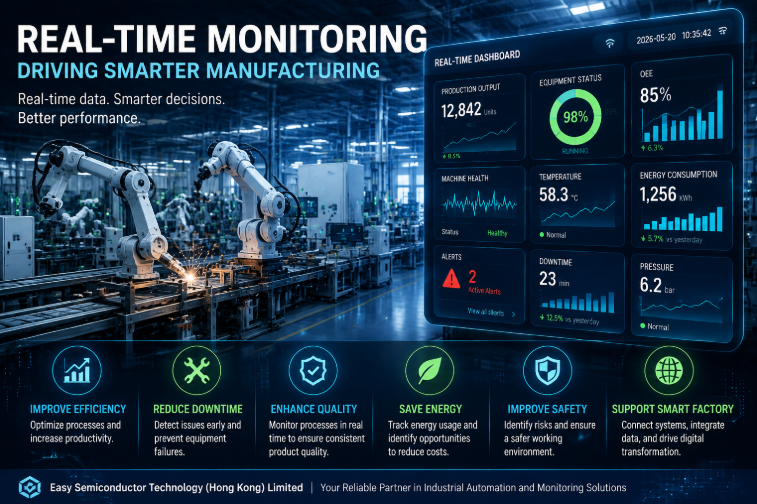
As global manufacturing industries continue to accelerate digital transformation, real-time monitoring has become one of the most important technologies for improving production efficiency, reducing operational risks, and building smarter factories. Modern manufacturing plants are increasingly adopting advanced monitoring solutions that integrate sensors, industrial networks, automation systems, and data analytics platforms to achieve better visibility and control over every stage of production.
Easy Semiconductor Technology (Hong Kong) Limited recognizes that reliable real-time monitoring systems are essential for manufacturers seeking to optimize industrial performance. By collecting and analyzing production data instantly, factories can respond faster to changing conditions, improve equipment reliability, and maintain higher levels of productivity.
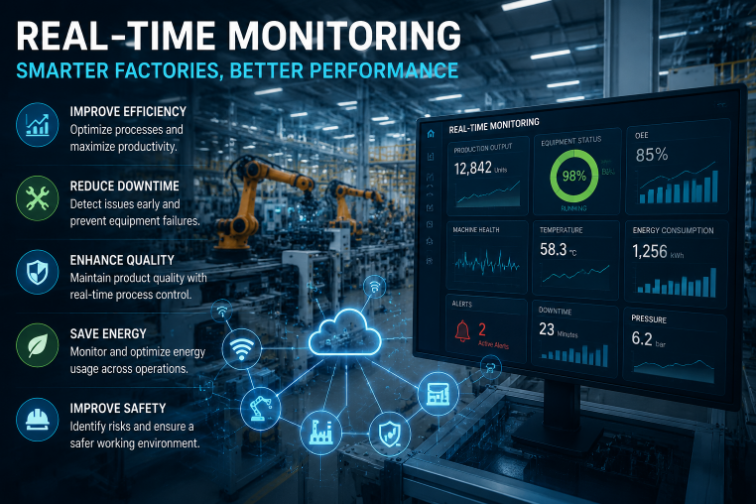
Traditional manufacturing environments often rely on periodic inspections and manual data collection, which can create delays in identifying problems. Real-time monitoring eliminates these limitations by providing continuous access to critical production information.
With connected sensors and industrial monitoring platforms, manufacturers can track machine status, production speed, energy consumption, temperature, pressure, vibration levels, and other important parameters in real time. This comprehensive visibility allows operators and engineers to understand exactly what is happening on the factory floor.
Improved visibility enables faster decision-making. When abnormal conditions occur, production teams can immediately investigate the cause and take corrective actions before small issues develop into major failures.
For industries such as semiconductor manufacturing, automotive production, chemical processing, and industrial automation, real-time information is essential for maintaining strict quality standards and ensuring stable operations.
Unexpected equipment failure is one of the biggest challenges facing modern manufacturing plants. Downtime can lead to production losses, delayed deliveries, and increased maintenance costs.
Real-time monitoring systems help companies move from traditional reactive maintenance strategies toward predictive maintenance models. By continuously monitoring equipment performance, these systems can identify early warning signs of potential failures.
For example, unusual vibration patterns, temperature increases, or power fluctuations may indicate mechanical wear or electrical problems. Maintenance teams can receive alerts and schedule repairs before equipment breakdown occurs.
This approach improves machine availability, extends equipment lifespan, and reduces unnecessary maintenance activities. Instead of replacing components based on fixed schedules, manufacturers can perform maintenance only when data indicates a real need.
Quality control is a critical factor in manufacturing success. Even minor production variations can result in defective products, increased waste, and customer dissatisfaction.
Real-time monitoring provides manufacturers with continuous quality data throughout the production process. Automated systems can detect deviations from established parameters and immediately notify operators.
By maintaining precise control over production conditions, factories can reduce defects and improve consistency. Real-time monitoring also supports traceability by recording production data, allowing companies to analyze quality issues and identify improvement opportunities.
In highly sensitive industries such as electronics and semiconductor manufacturing, maintaining stable environmental and process conditions is especially important. Real-time monitoring helps ensure that equipment operates within required specifications.
Energy consumption represents a significant portion of manufacturing expenses. Rising energy prices and sustainability goals are encouraging companies to find more efficient ways to manage power usage.
Real-time monitoring allows factories to measure energy consumption across machines, production lines, and facilities. This data helps identify areas where energy is wasted and where improvements can be made.
Manufacturers can optimize equipment operation, balance energy loads, and reduce unnecessary consumption during non-production periods. These improvements not only lower operating costs but also support environmental sustainability initiatives.
Smart monitoring systems can also help companies track carbon emissions and improve their overall energy management strategies.
The growth of Industry 4.0 has transformed the way factories operate. Smart factories depend on connected systems, automation, artificial intelligence, and real-time data analysis to achieve higher efficiency.
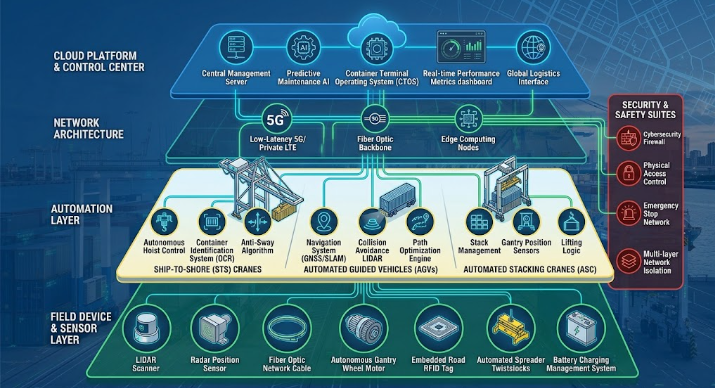
Real-time monitoring serves as a foundation for smart manufacturing by connecting physical equipment with digital management platforms. Data collected from machines can be integrated with industrial control systems, manufacturing execution systems, and enterprise management platforms.
This connectivity enables advanced functions such as automated decision-making, remote equipment management, production optimization, and intelligent workflow control.
As manufacturers continue upgrading legacy systems, real-time monitoring provides a practical pathway toward modernization without requiring complete replacement of existing infrastructure.
Manufacturing environments often involve complex machinery, high temperatures, electrical systems, and hazardous materials. Ensuring workplace safety is a top priority for industrial operators.
Real-time monitoring systems improve safety by continuously tracking critical operating conditions. If equipment exceeds safe limits, automated alerts can immediately inform operators and prevent dangerous situations.
Remote monitoring capabilities also reduce the need for workers to enter potentially hazardous areas for inspections. This improves workplace protection while maintaining operational efficiency.
For industrial facilities handling sensitive processes, early detection and rapid response are essential components of effective risk management.
As manufacturing networks become more global, companies require better ways to manage facilities across different locations. Real-time monitoring enables remote access to production information from anywhere.
Managers and engineers can review equipment status, production performance, and system alerts without being physically present at the factory. This capability is particularly valuable for multinational companies operating multiple manufacturing sites.
Remote monitoring also supports faster technical support, troubleshooting, and system optimization, helping businesses maintain consistent performance across global operations.
The future of manufacturing will rely increasingly on intelligent monitoring technologies powered by artificial intelligence, cloud computing, edge computing, and advanced analytics.
Next-generation monitoring solutions will provide deeper insights by analyzing large volumes of industrial data and identifying patterns that humans may overlook. Artificial intelligence will further improve predictive maintenance, quality control, and production optimization.
As factories become more connected and automated, real-time monitoring will continue to play a central role in improving competitiveness, reliability, and sustainability.
Easy Semiconductor Technology (Hong Kong) Limited remains committed to supporting industrial customers with advanced semiconductor components, automation solutions, and technologies that help manufacturers achieve smarter and more efficient operations.
By adopting reliable real-time monitoring systems, manufacturing plants can improve productivity, reduce risks, and build a stronger foundation for the future of intelligent industry.