
 home
home
 Published: Aug 02, 2026 12:57 PM
 Page View: 102
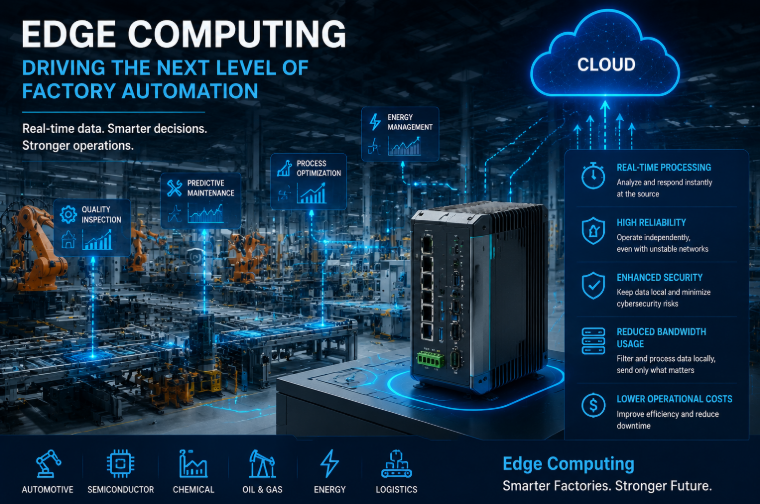
As global manufacturing industries accelerate digital transformation, edge computing is emerging as one of the most important technologies reshaping modern factory automation. Traditional industrial systems have long depended on centralized cloud platforms for data processing, but the increasing demand for faster response times, improved reliability, and enhanced operational security is driving manufacturers toward edge-based solutions.
Easy Semiconductor Technology (Hong Kong) Limited recognizes that edge computing is becoming a critical foundation for next-generation industrial automation. By bringing computing power closer to machines, production lines, and control systems, edge technology enables factories to achieve real-time decision-making, higher efficiency, and stronger system resilience.
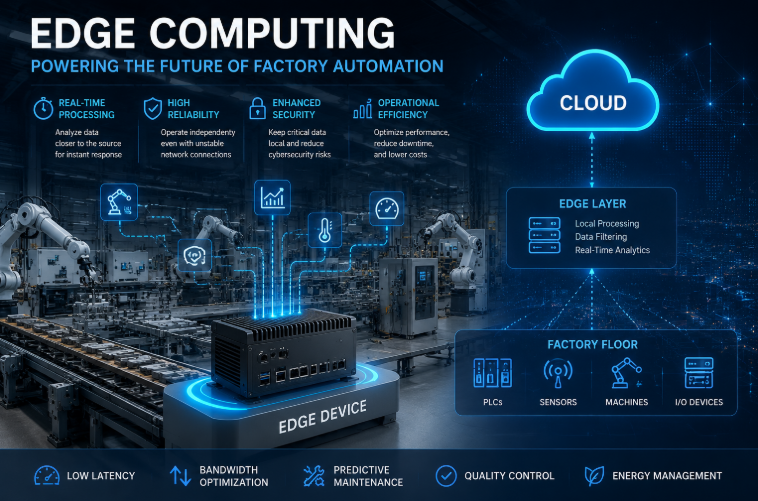
In conventional automation architectures, industrial data generated by programmable logic controllers (PLCs), sensors, robots, and monitoring systems is often transmitted to remote servers or cloud platforms for analysis. While cloud computing provides powerful processing capabilities, network delays and connectivity challenges can limit its effectiveness for time-sensitive industrial applications.
Edge computing changes this approach by processing data locally at the factory level. Edge devices, industrial gateways, and embedded computing platforms can analyze information immediately near the source, allowing automated systems to respond within milliseconds.
For industries such as semiconductor manufacturing, automotive production, energy processing, and chemical plants, this rapid response capability is essential. Machine adjustments, quality inspections, predictive maintenance decisions, and safety controls can be executed without waiting for instructions from distant data centers.
Modern factories generate enormous volumes of operational data every second. Sensors continuously monitor temperature, vibration, pressure, power consumption, equipment status, and production performance. Managing this information efficiently requires advanced computing solutions.
Edge computing allows manufacturers to filter and analyze critical data locally before sending selected information to cloud platforms. This reduces network traffic while ensuring that important operational decisions happen immediately.
For example, an automated production line equipped with edge intelligence can detect abnormal machine vibration, identify potential equipment failures, and trigger maintenance alerts before production downtime occurs. This capability supports predictive maintenance strategies and helps companies reduce unexpected failures and operational costs.
The growth of Industry 4.0 has increased demand for intelligent automation systems capable of autonomous operation and continuous optimization. Edge computing plays a central role in enabling smart factories by connecting industrial equipment with advanced analytics, artificial intelligence, and machine learning technologies.
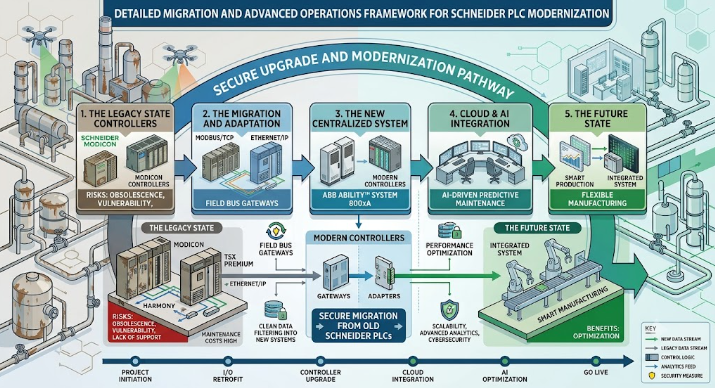
Through edge-based architectures, factories can integrate legacy automation systems with modern digital platforms. Existing PLC systems, industrial controllers, and communication networks can be upgraded with edge gateways without requiring complete infrastructure replacement.
This approach provides manufacturers with a practical pathway toward digital transformation. Instead of replacing entire production systems, companies can gradually modernize their automation environments while maintaining operational continuity.
Factory automation requires extremely high levels of reliability. Any interruption in production can result in significant financial losses. Edge computing improves system availability by reducing dependence on external networks and centralized servers.
When network connections are unstable or cloud services are temporarily unavailable, edge-enabled automation systems can continue operating independently. Local processing ensures that critical control functions remain active, improving production stability.
For industries operating in remote locations, such as oil and gas facilities, mining operations, and large-scale energy plants, this capability provides significant advantages. Edge computing allows essential automation processes to continue even under challenging communication conditions.
As factories become more connected, cybersecurity has become a major concern for industrial organizations. Traditional centralized architectures may expose sensitive operational data during transmission between factories and cloud environments.
Edge computing can improve industrial cybersecurity by enabling localized data processing and reducing unnecessary data transfers. Security policies can be implemented closer to production equipment, allowing companies to monitor network activity, detect unusual behavior, and respond faster to potential threats.
Modern edge solutions can also support encrypted communication, access control management, and secure industrial protocols, helping manufacturers protect critical automation infrastructure.
Artificial intelligence is becoming increasingly important in manufacturing, and edge computing provides the infrastructure needed for AI applications at the factory level.
AI-powered edge devices can analyze production data locally to support applications including:
Automated visual inspection
Equipment health monitoring
Energy consumption optimization
Production quality prediction
Intelligent robotics control
Process optimization
By combining AI with edge computing, manufacturers can achieve faster insights and more autonomous operations. This combination allows machines to learn from real-world production conditions and continuously improve performance.
Although edge computing offers significant benefits, manufacturers must address several challenges during implementation. These include selecting suitable industrial hardware, ensuring compatibility with existing automation systems, managing cybersecurity requirements, and training technical teams.
Many factories still operate with aging PLC systems and discontinued automation components. Integrating edge technology into these environments requires careful planning and reliable replacement solutions.
Easy Semiconductor Technology (Hong Kong) Limited provides industrial automation component support and technical solutions to help companies modernize existing systems. By combining replacement components with advanced digital technologies, manufacturers can achieve smoother transitions toward intelligent automation.
The future of factory automation will increasingly depend on distributed intelligence. As production systems become more complex, relying solely on centralized computing models will no longer meet the requirements of modern manufacturing.
Edge computing will continue to expand as factories demand faster responses, improved security, and greater operational flexibility. The integration of edge devices, industrial IoT networks, artificial intelligence, and advanced automation platforms will create more efficient and adaptive manufacturing environments.
Manufacturers that adopt edge computing strategies today will be better positioned to compete in the global industrial market. By enabling real-time intelligence and smarter decision-making, edge technology is helping transform traditional factories into highly connected, efficient, and resilient smart manufacturing ecosystems.
Easy Semiconductor Technology (Hong Kong) Limited specializes in providing industrial automation components, replacement solutions, and technical support for global manufacturing industries. The company focuses on helping customers maintain, upgrade, and optimize automation systems through reliable hardware solutions and professional industry expertise.
As industrial technologies continue evolving, Easy Semiconductor Technology (Hong Kong) Limited remains committed to supporting factories worldwide in achieving higher reliability, improved efficiency, and sustainable automation development.