
 home
home
 Published: Aug 02, 2026 12:45 PM
 Page View: 152
Hong Kong — The global oil and gas industry is entering a new era of digital transformation as companies accelerate the adoption of advanced process automation technologies to improve operational efficiency, enhance safety, and optimize resource management. As energy markets become increasingly competitive and environmental requirements continue to evolve, process automation is becoming a critical foundation for modern oil and gas operations.
From upstream exploration and production to midstream transportation and downstream refining, automation systems are helping energy companies build more intelligent, reliable, and flexible facilities. Technologies such as distributed control systems (DCS), programmable logic controllers (PLCs), industrial communication networks, advanced sensors, artificial intelligence (AI), and Industrial Internet of Things (IIoT) platforms are reshaping how oil and gas facilities operate worldwide.
Traditional oil and gas facilities have relied on automation systems for decades to control complex industrial processes. However, many existing plants still operate with aging control hardware, discontinued components, and legacy software platforms. As manufacturers discontinue older automation products, energy companies face increasing challenges in maintaining system reliability and ensuring long-term availability of critical spare parts.
Easy Semiconductor Technology (Hong Kong) Limited recognizes that modernization does not always require complete system replacement. Strategic upgrades, intelligent retrofits, and reliable replacement components can help operators extend the lifecycle of existing automation infrastructure while gradually moving toward Industry 4.0 standards.
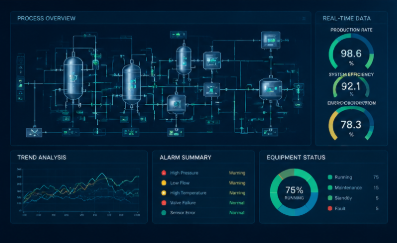
Modern process automation solutions enable operators to collect real-time operational data, analyze equipment performance, and make faster decisions. By integrating advanced monitoring systems with existing industrial platforms, companies can improve productivity while reducing unnecessary downtime and maintenance costs.
One of the most significant trends shaping the future of process automation is the integration of artificial intelligence and predictive maintenance technologies. Oil and gas facilities operate in demanding environments where equipment failures can result in significant financial losses, safety risks, and production interruptions.
AI-powered automation systems can analyze large volumes of operational data collected from sensors, control systems, and industrial networks. By identifying abnormal patterns and early warning signals, these systems allow maintenance teams to address potential problems before failures occur.
Predictive maintenance strategies are particularly valuable for critical assets such as pumps, compressors, turbines, valves, and processing equipment. Instead of relying only on scheduled maintenance, operators can perform condition-based servicing according to actual equipment performance.
This approach improves asset availability, reduces maintenance expenses, and supports safer industrial operations.
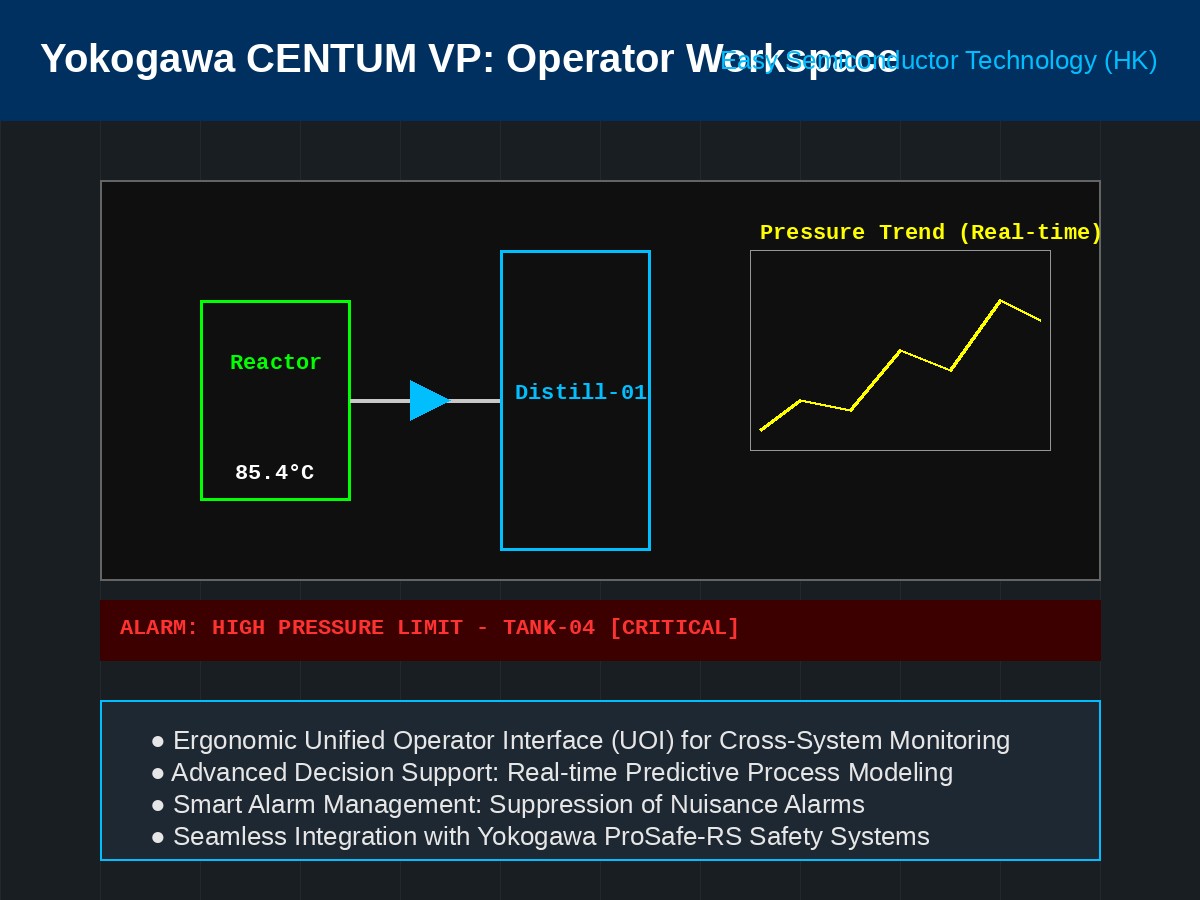
The future of oil and gas automation will depend heavily on advanced control technologies that optimize complex industrial processes. Modern DCS and PLC-based solutions provide precise control over production environments, allowing operators to improve energy efficiency and maintain stable operations.
Advanced process control (APC) technologies can automatically adjust operating parameters based on changing conditions, helping facilities maximize output while minimizing resource consumption. In refineries, petrochemical plants, and gas processing facilities, improved control strategies can increase product quality and reduce operational waste.
Automation systems also support remote monitoring and centralized management, enabling companies to oversee multiple facilities across different geographic locations. This capability has become increasingly important as energy companies expand global operations and seek greater operational visibility.
Reliable communication infrastructure is essential for the next generation of process automation. Oil and gas facilities require secure and high-performance industrial networks to connect field devices, control systems, enterprise platforms, and cloud-based applications.
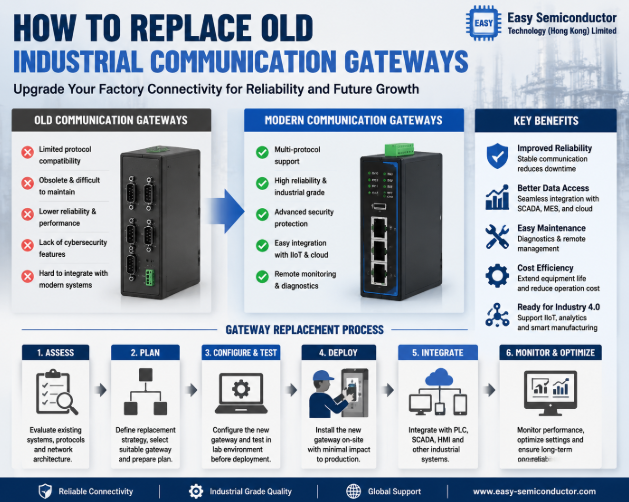
Industrial Ethernet, communication gateways, remote I/O modules, and intelligent control devices are playing a growing role in connecting traditional automation environments with modern digital platforms.
However, maintaining connectivity in older facilities remains a challenge. Many existing plants rely on automation systems designed decades ago, creating compatibility issues when integrating new technologies. Companies increasingly require flexible modernization solutions that allow new communication technologies to work alongside existing control infrastructure.
Easy Semiconductor Technology (Hong Kong) Limited provides support for industrial automation modernization by helping customers identify suitable replacement components, upgrade strategies, and long-term solutions for aging systems.
As automation systems become more connected, cybersecurity is becoming a major priority for oil and gas companies. Modern industrial facilities must protect critical control networks from unauthorized access, cyber threats, and operational disruptions.
Future automation architectures will require stronger security frameworks, including network segmentation, secure communication protocols, continuous monitoring, and improved access management.
By combining automation innovation with cybersecurity strategies, energy companies can achieve digital transformation while maintaining safe and reliable operations.
The global transition toward cleaner energy is also influencing the development of process automation technologies. Oil and gas companies are using automation to improve energy efficiency, reduce emissions, and optimize resource utilization.
Smart automation systems help monitor energy consumption, detect operational inefficiencies, and support environmental compliance. Automated measurement and control technologies enable companies to reduce waste while improving production performance.
As the industry continues to balance energy demand with sustainability goals, intelligent automation will remain a key tool for achieving more efficient and responsible operations.
Although digital transformation is accelerating, many oil and gas facilities will continue operating with a combination of modern and legacy automation equipment. Reliable industrial components, replacement modules, and lifecycle management strategies will remain essential for maintaining operational continuity.
Unexpected equipment shortages or discontinued automation products can create significant challenges for industrial operators. Access to dependable replacement solutions allows companies to avoid unnecessary shutdowns and extend the useful life of valuable assets.
Easy Semiconductor Technology (Hong Kong) Limited is committed to supporting global industrial customers with automation component solutions that help improve system reliability, reduce downtime, and support long-term modernization goals.
The future of process automation in the oil and gas industry will be defined by greater intelligence, connectivity, and adaptability. As companies embrace AI, IIoT, advanced control systems, and digital maintenance strategies, automation will continue to transform energy production and processing.
For global oil and gas operators, the challenge is not only adopting new technologies but also ensuring that existing industrial systems remain reliable during the transition. A balanced modernization approach combining innovation with practical lifecycle management will be essential.
Through advanced automation solutions, reliable industrial components, and strategic upgrade support, companies can build safer, more efficient, and more sustainable energy operations for the future.