
 home
home
 Published: Jun 06, 2026 11:30 AM
 Page View: 154
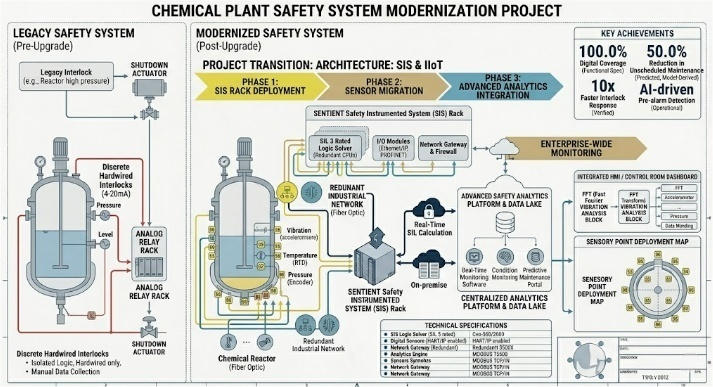
Easy Semiconductor Technology (Hong Kong) Limited has successfully completed a comprehensive Chemical Plant Safety System Modernization Project aimed at enhancing operational safety, regulatory compliance, system reliability, and long-term production efficiency. The project involved upgrading critical safety systems, integrating advanced monitoring technologies, and implementing modern industrial automation solutions to support safer and more resilient chemical processing operations.
As chemical manufacturing facilities face increasing safety requirements, stricter environmental regulations, and growing operational complexity, modernizing safety infrastructure has become a strategic priority. Aging control systems and outdated safety equipment can expose facilities to operational risks, equipment failures, and compliance challenges. This modernization project demonstrates how advanced safety technologies can help chemical plants improve protection while supporting production performance.
Chemical plants operate under demanding conditions involving hazardous materials, high temperatures, high pressures, and complex chemical reactions. Maintaining safe operations requires continuous monitoring, rapid fault detection, and reliable emergency response systems.
Many facilities continue to rely on legacy safety systems that present several challenges:
Limited diagnostic capabilities
Aging hardware components
Reduced system reliability
Difficult maintenance procedures
Increased cybersecurity risks
Limited integration with modern automation platforms
Compliance concerns with evolving industry standards
To address these challenges, the plant initiated a modernization program designed to strengthen safety performance and support future operational requirements.
Easy Semiconductor Technology (Hong Kong) Limited worked closely with plant management and engineering teams to establish key project objectives:
Upgrade the Safety Instrumented System (SIS)
Improve Emergency Shutdown System (ESD) performance
Enhance process monitoring capabilities
Increase system reliability and redundancy
Strengthen industrial cybersecurity
Improve compliance with functional safety standards
Reduce operational risks
Support future digital transformation initiatives
The modernization plan was carefully executed to minimize production disruptions while ensuring safe implementation.
A major component of the project involved replacing outdated safety controllers with modern Safety Instrumented System technology.
The upgraded SIS architecture provides:
Faster response times
Improved fault diagnostics
Enhanced system redundancy
Greater scalability
Simplified maintenance
Higher operational availability
The new system continuously monitors critical process parameters and automatically initiates protective actions whenever predefined safety limits are exceeded.
This capability significantly reduces the risk of equipment damage, environmental incidents, and personnel hazards.
The Emergency Shutdown System plays a critical role in protecting personnel, equipment, and production assets during abnormal operating conditions.
The modernization project included:
New safety controllers
High-integrity field instrumentation
Enhanced emergency shutdown logic
Redundant communication networks
Improved alarm management systems
The upgraded ESD solution enables rapid isolation of hazardous processes and immediate response to emergency situations.
By improving shutdown reliability and reducing response times, the facility has strengthened its overall safety posture.
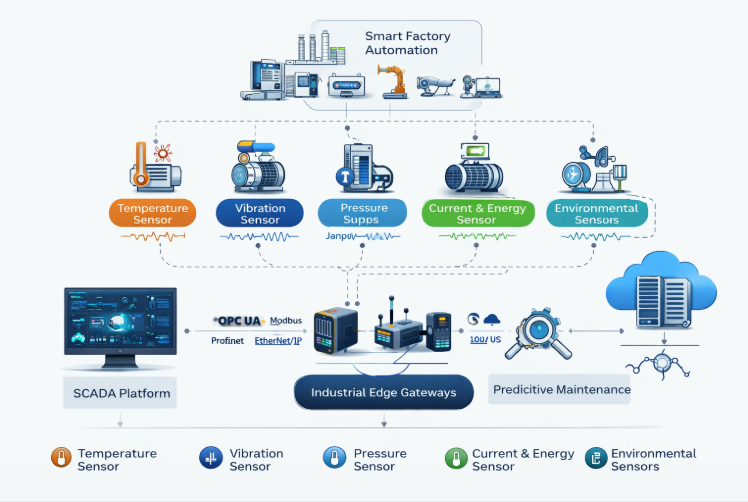
To support proactive risk management, the project incorporated advanced process monitoring technologies throughout the facility.
New monitoring systems provide real-time visibility into:
Temperature conditions
Pressure levels
Flow rates
Tank inventories
Gas detection systems
Critical process variables
Operators now have access to comprehensive operational data through centralized monitoring interfaces.
The enhanced visibility helps identify developing process abnormalities before they escalate into safety incidents.
Compliance with international functional safety standards was a key requirement of the modernization initiative.
The upgraded systems were designed to support Safety Integrity Level (SIL) requirements for critical safety functions.
Key improvements include:
Risk reduction measures
Fault-tolerant architecture
Automated diagnostics
Safety validation procedures
Improved testing capabilities
These enhancements support long-term compliance while improving confidence in plant safety performance.
As chemical facilities become increasingly connected, cybersecurity has emerged as an essential component of process safety.
The modernization project implemented multiple cybersecurity measures designed to protect critical operational technology infrastructure.
Security improvements included:
Network segmentation
Industrial firewalls
Secure remote access
User authentication controls
Security monitoring systems
Event logging and auditing
Access management procedures
These measures help prevent unauthorized access while maintaining secure communication between automation systems and plant operations.
A key advantage of the modernization project was the seamless integration of safety systems with existing process control infrastructure.
The upgraded architecture allows coordinated operation between:
Distributed Control Systems (DCS)
Safety Instrumented Systems (SIS)
SCADA platforms
Process monitoring systems
Asset management solutions
This integration improves operational awareness while maintaining strict separation between safety and control functions.
Operators benefit from centralized visibility without compromising system integrity.
Following project completion, the chemical plant reported several significant improvements.
The upgraded safety systems provide faster detection and response to abnormal operating conditions, reducing overall process risk.
Modern safety hardware and redundant architectures improve system availability and minimize unexpected failures.
The new solution supports current industry safety requirements and simplifies future compliance activities.
Advanced diagnostics enable more efficient maintenance planning and faster troubleshooting.
Real-time monitoring tools provide greater insight into plant conditions and support proactive decision-making.
Improved network security measures help protect critical assets from cyber threats and unauthorized access.
The modernization project establishes a strong foundation for future digital transformation initiatives within the chemical facility.
Potential future enhancements include:
Industrial IoT integration
Predictive safety analytics
Artificial intelligence-assisted monitoring
Digital twin applications
Cloud-based reporting systems
Advanced asset performance management
These technologies will help further improve safety, efficiency, and operational resilience.
The Chemical Plant Safety System Modernization Project demonstrates the importance of investing in modern safety technologies to support safe and efficient industrial operations.
Through the successful upgrade of Safety Instrumented Systems, Emergency Shutdown Systems, process monitoring infrastructure, and cybersecurity protections, Easy Semiconductor Technology (Hong Kong) Limited delivered a comprehensive solution that strengthens plant safety while supporting long-term operational excellence.
As chemical manufacturers continue to prioritize risk reduction, regulatory compliance, and digital transformation, modern safety system architectures will remain essential for achieving sustainable and reliable production operations.